
Clapham Roofing advice
The Benefits of GRP Roofing for Clapham’s Buildings
The Benefits of GRP Roofing for Clapham’s Buildings. Assess benefits and drawbacks against the actual roof rather than generic product claims.
The best flat-roof solution depends on the deck, falls, outlets, edge details, penetrations, insulation and how the roof is used. The membrane name alone does not determine whether the finished roof will perform. This guide explains the practical checks a Clapham property owner should make before requesting or approving work.
Quick answer
The best flat-roof solution depends on the deck, falls, outlets, edge details, penetrations, insulation and how the roof is used. The membrane name alone does not determine whether the finished roof will perform.
GRP in this decision
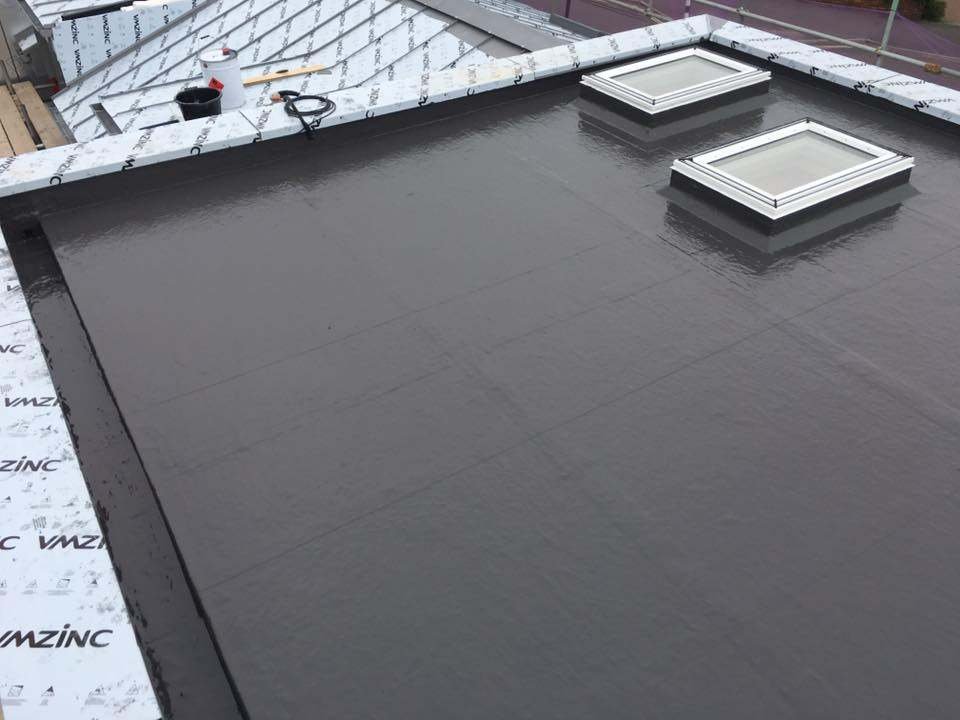
GRP is formed as a rigid, joint-free laminate on a suitable deck. Detailing, weather conditions during installation and allowance for movement matter as much as the resin and mat.
Benefits only matter when the roof is suitable
Product advantages are conditional. A durable material can still fail early on an unsuitable pitch, moving deck, poorly drained area or weak junction. Ask the contractor to connect every claimed benefit to the property and specification.
- Suitability for pitch, structure and exposure
- Repairability and access for future maintenance
- Appearance beside neighbouring roofs and period details
- Whole-system cost rather than covering price alone
- Installer experience with the proposed system
- Written scope, manufacturer requirements and guarantee terms
Potential drawbacks to discuss
Weight, movement, vulnerable details, visual change, specialist installation, weather during application and future access can all affect the decision. A balanced quotation should explain these limitations rather than presenting one material as universally best.
Turn a claimed benefit into something testable
For flat roofing, “durable”, “low maintenance” or “attractive” only becomes useful when the specification explains the roof pitch, support, junctions and future care. Ask what condition has to be true for each benefit and what would undermine it.
- Durability linked to a complete installed system
- Appearance checked against the property and adjoining roofs
- Maintenance access included in the design
- Repair method available if local damage occurs
- Limitations stated alongside advantages
What should be inspected?
- Splits, blisters, punctures and open seams
- Ponding water and inadequate falls
- Blocked or poorly positioned outlets
- Upstands, kerbs, edges and abutments
- Deck movement, softness or trapped moisture
- Insulation and condensation-control build-up
Plan around an occupied property
Roof work above homes and businesses needs a clear plan for noise, temporary weathering, entrances, gardens and internal protection. Agree who moves vulnerable belongings and how an unexpected opening will be made safe at the end of the day.
- Daily weathering responsibility clear
- Occupied rooms protected below
- Working hours and contact agreed
- Completion and waste checks recorded
Protect people and property below
Roof safety includes falling materials as well as falls from height. Agree exclusion areas, scaffold protection, secured materials and how entrances or neighbouring spaces will be managed while work is overhead. The HSE roof-work guidance explains the main requirements and hazards.
Questions to ask in the quotation
- Is the deck sound and are the falls adequate?
- Why is the proposed membrane suitable here?
- Are trims, outlets and penetrations included?
- What preparation, insulation and guarantee are specified?
Related local service
For property-specific advice, see Flat roofing in Clapham. The service page explains inspection, access and quotation arrangements.
Frequently asked questions
Should I obtain more than one quotation?
For substantial work, comparable written quotations can help. Make sure contractors price the same scope rather than comparing totals with different omissions.
Should the quote include waste and protection?
Yes. Ask it to identify access, protection, preparation, disposal, materials, exclusions and work that can only be confirmed after opening the roof.
How are unexpected defects handled?
The quotation should identify likely concealed risks and a variation process. Ask for photographs and approval before additional work is covered or charged.
Discuss your roof with a local roofer
For an inspection and written quotation in Clapham, call 020 3886 3466 or email yourclaphamroofers@gmail.com. Describe the property, the roof area and any visible leak or damage. Photographs taken safely from ground level or inside the loft can also help.