
Clapham Roofing advice
Victorian and Edwardian Roof Repairs in Clapham: Preserving Historic Character
Victorian and Edwardian Roof Repairs in Clapham: Preserving Historic Character. Understand likely causes, inspection priorities and when repair or…
A useful roofing decision starts with the cause and extent of the defect, not a generic product claim. Inspection, photographs and a written scope help distinguish a targeted repair from maintenance or full renewal. This guide explains the practical checks a Clapham property owner should make before requesting or approving work.
Quick answer
A useful roofing decision starts with the cause and extent of the defect, not a generic product claim. Inspection, photographs and a written scope help distinguish a targeted repair from maintenance or full renewal.
From symptom to repair scope
Start with when the problem occurs: during wind-driven rain, after prolonged rainfall, at an outlet overflow or in cold weather. That pattern helps identify whether the cause is a covering defect, junction, drainage problem or condensation.
- Record the affected room and weather conditions
- Photograph safe internal evidence and any ground-visible defect
- Inspect the complete detail around the likely source
- Agree whether opening-up is necessary and how uncertainty is handled
- Specify the permanent repair and any temporary weatherproofing separately
Repair or replace?
Local repair is usually worth considering when the surrounding material and support remain sound. Replacement becomes more credible when defects are widespread, the deck or structure is affected, matching repairs keep failing or access costs make repeated visits uneconomic.
The main decision this article should support
A useful roofing decision starts with the cause and extent of the defect, not a generic product claim. Inspection, photographs and a written scope help distinguish a targeted repair from maintenance or full renewal.
- Where and when water or damage first appeared
- Covering, flashings, junctions and drainage around the affected area
- Whether defects are isolated or repeated across several slopes
- What evidence supports the proposed repair?
- Is the work temporary or permanent?
What should be inspected?
- Where and when water or damage first appeared
- Covering, flashings, junctions and drainage around the affected area
- Whether defects are isolated or repeated across several slopes
- Condition of underlay, deck or visible timbers where accessible
- Safe access, scaffolding and waste-removal needs
- Materials, exclusions and assumptions in the quotation
Access can change the repair method
Terraced and converted properties can have different access at the front and rear. The quotation should say whether scaffold, a tower or another planned system is assumed, and how materials and waste will move without damaging occupied areas.
- Front and rear access considered separately
- Shared routes agreed before work
- Protection below the work included
- Parking and delivery assumptions recorded
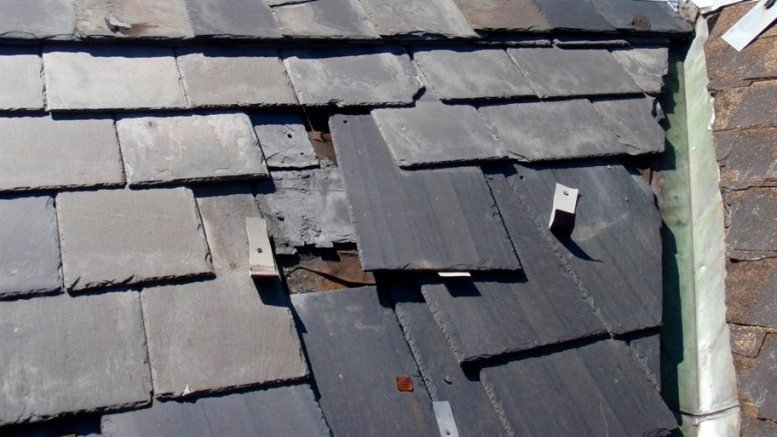
Period roofs may include natural slate, parapets, chimney stacks, lead valleys and earlier repairs from different eras. Retain sound original material where practical and check whether planning controls affect visible changes.
Protect people and property below
Roof safety includes falling materials as well as falls from height. Agree exclusion areas, scaffold protection, secured materials and how entrances or neighbouring spaces will be managed while work is overhead. The HSE roof-work guidance explains the main requirements and hazards.
Questions to ask in the quotation
- What evidence supports the proposed repair?
- Is the work temporary or permanent?
- What is included and excluded from the price?
- What maintenance or future renewal should be budgeted?
Related local service
For property-specific advice, see Roof repairs in Clapham. The service page explains inspection, access and quotation arrangements.
Frequently asked questions
Can work continue in bad weather?
That depends on the task and safe system. High winds, lightning, ice or heavy rain can prevent access and may make opening the roof inappropriate.
What information should I give the roofer?
Provide the property location, roof type if known, when the symptom occurs, safe photographs, access constraints and details of previous related repairs.
Does every roofing job require scaffolding?
No single access method fits every property. Height, duration, roof geometry, public areas and the task determine what safe access and edge protection are required.
Discuss your roof with a local roofer
For an inspection and written quotation in Clapham, call 020 3886 3466 or email yourclaphamroofers@gmail.com. Describe the property, the roof area and any visible leak or damage. Photographs taken safely from ground level or inside the loft can also help.